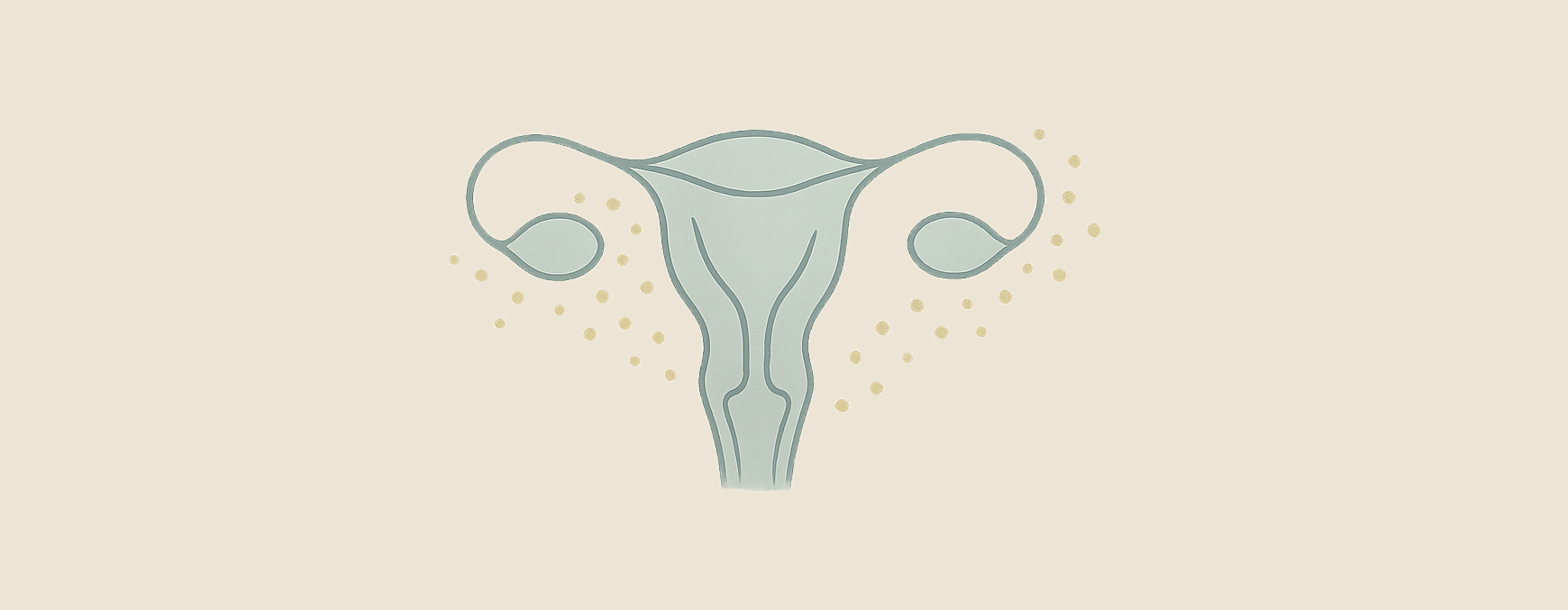
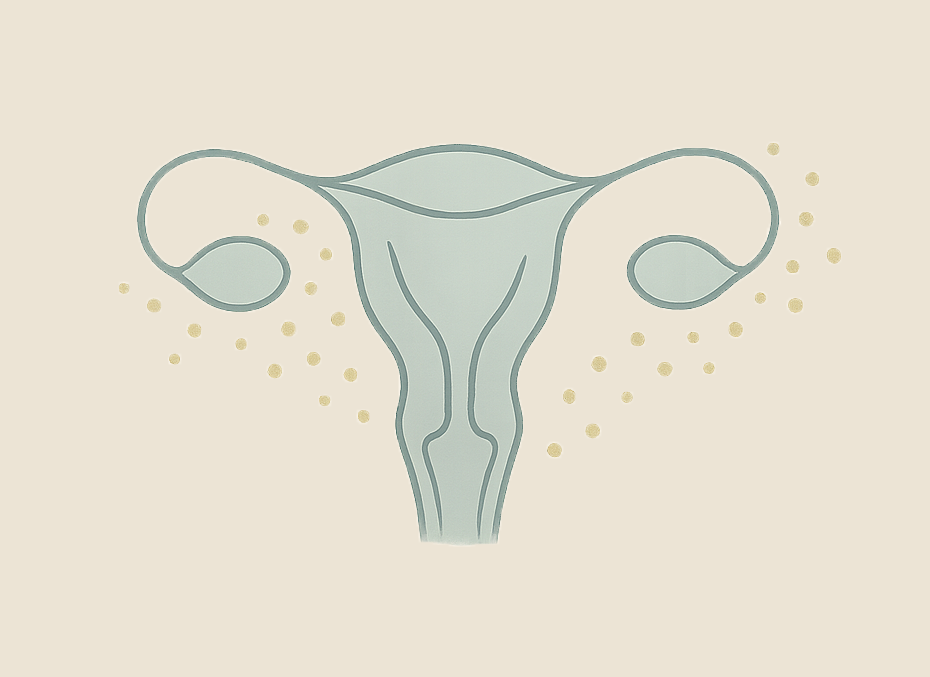
Endometriosis occurs when tissue similar to the lining of the uterus (endometrium), is found in
places
outside of the uterus. The tissue can form nodules or plaques which may be visualised at surgery.
Endometriosis is commonly found in the pelvic region on the thin pelvic lining called the
peritoneum. It
may be also be found on the pelvic ligaments, ovaries and bowel. Endometriosis is occasionally found
in
places outside the pelvis such as in scar tissue, the bellybutton or lungs.
Often if you see your doctor with concern about your periods they will order an ultrasound scan.
This
can not diagnose most forms of endometriosis, but it can pick up cysts on the ovaries
(endometrioma).
Endometriosis is commonly associated with adhesions, which can make surgery more challenging.
Nutrition won't cure endometriosis, but it can make a difference in how your body feels day-to-day. This section keeps things simple and realistic, no strict rules, just gentle guidance to help reduce inflammation, support your hormones, and understand what foods might help or make symptoms flare. The goal is to give you information you can actually use, without it feeling overwhelming.
Endometriosis and Irritable Bowel Syndrome (IBS) share a lot of overlapping symptoms, which is
why
many people are first told they have IBS before endometriosis is ever considered. Gut-related
symptoms like bloating, diarrhoea during your period, constipation, fluctuations between the
two,
painful or excessive wind, bowel cramping, nausea, lower back pain, and even rectal pain or
bleeding
can all appear in both conditions. These symptoms often get worse around menstruation, making
the
picture even more confusing.
It's also very common to have both endometriosis and IBS at the same time, which can make
symptoms
feel more intense or unpredictable. Because of this overlap, it's important to rule out other
possible causes of gut issues, including Coeliac disease and inflammatory bowel diseases like
Crohn's or Ulcerative Colitis, before changing your diet.
Once other conditions are ruled out, some people find that adjusting their food intake helps
ease
bowel-related symptoms. This can include trying approaches like a low FODMAP food trial, which
may
provide relief for some.
Choosing an anti-inflammatory way of eating can be helpful for supporting endometriosis symptoms.
A Mediterranean-style approach is a great place to start. This includes plenty of fruits and
vegetables, extra virgin olive oil, nuts, seeds, legumes like beans and lentils, and wholegrain
carbohydrates. Lean proteins and some dairy products can also fit in well, along with oily fish
or seafood, ideally a couple of times a week.
A higher fibre intake from wholegrains, fruits, and vegetables may help lower circulating
oestrogen levels and support regular bowel movements. For those who also experience IBS-type
symptoms, focusing on soluble fibre is often more comfortable, as it tends to be gentler on the
gut and can support both constipation and diarrhoea without causing extra bloating.
Reducing foods that can promote inflammation may help ease endometriosis-related pain and
symptoms. This includes limiting high-fat red meats, processed meats like bacon or salami, and
sugary foods or drinks such as fizzy drinks, juices, and sweet tea beverages. Highly processed
snacks, including chips, chocolate, snack bars, biscuits, and bakery treats, as well as fast
foods and deep-fried options can also contribute to inflammation.
Foods high in saturated fat, like butter, cream, ice cream, meat fat or chicken skin, and
coconut-based products, may worsen symptoms for some people. Caffeine can increase gut
discomfort, anxiety, or bladder symptoms, and alcohol can raise circulating oestrogen and
irritate the gut, potentially making symptoms harder to manage.
You don't need to cut these foods out completely, it's more about being mindful and noticing how
your body responds.
What is this phase:
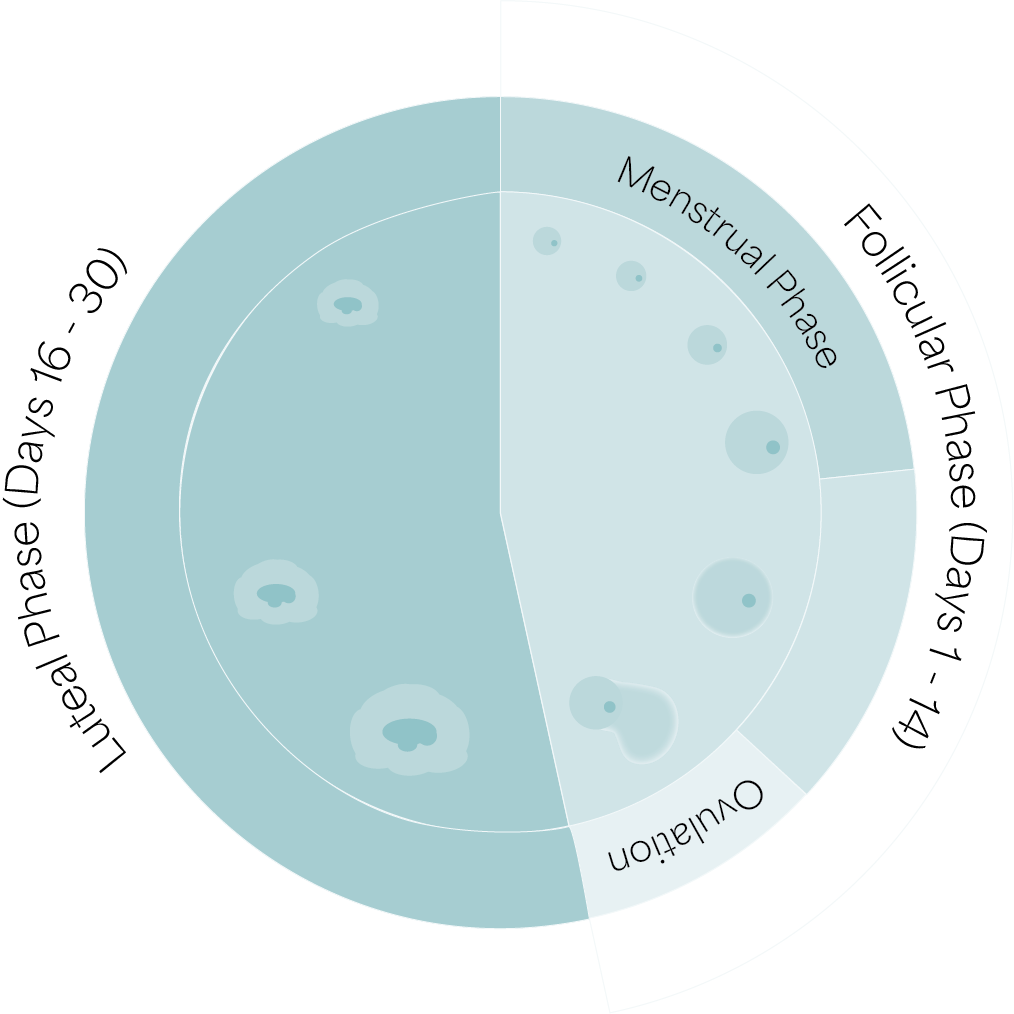
The follicular phase begins on the first day of your period and lasts until ovulation, usually
around 13
to 14 days, though it can vary. During this time, your body prepares for ovulation by developing
follicles in the ovaries, with one becoming the dominant follicle that will release an egg.
What's happening in your body:
Multiple follicles begin to grow, but one becomes the strongest, about the size of a small
button,ready
to mature into an egg. Meanwhile, the lining of your uterus starts to rebuild and thicken after
your
period.
Hormones:
Follicle-stimulating hormone (FSH) from the pituitary gland signals the ovaries to prepare an
egg. As
the dominant follicle grows, it produces rising levels of oestrogen (and a small boost of
testosterone),
which peak just before ovulation.
What is this phase:
Ovulation happens around the middle of the menstrual cycle, typically 13 to 15 days before your
next
period. This is when the dominant follicle releases a mature egg into the fallopian tube.
What's happening in your body:
During ovulation, the dominant follicle opens and releases the egg. After this release, the egg
begins
travelling through the fallopian tube toward the uterus. This is the window when pregnancy is
most
likely to occur if sperm is present.
Hormones:
A sudden surge in luteinizing hormone (LH) is what triggers ovulation. Right after the egg is
released,
oestrogen levels drop. These hormonal changes can influence your energy, mood, and how your body
feels.
What is this phase:
The luteal phase begins right after ovulation and continues until your next period starts.
During this time, the body prepares for a potential pregnancy by thickening the
uterine lining.
What's happening in your body:
After ovulation, the body produces more progesterone to prepare the uterus for a possible
pregnancy. If
pregnancy doesn't occur, progesterone drops, which can trigger PMS symptoms and signals your
period to begin.
Hormones:
Oestrogen levels drop and progesterone rises, although many people experience lower-than-ideal
progesterone. These shifts can contribute to PMS symptoms such as bloating, breast tenderness,
back
pain, tiredness, and mood changes.
It's normal to have some degree of discomfort during your period, but it should never be distressing enough to prevent you from carrying out day-to-day activities. If you're forced to take time off work or school because of the pain, consult your doctor.
Teens can get endometriosis like anyone else. In fact, the teen years are often when symptoms start. Teenagers, therefore, may experience very severe pain and should always be taken seriously.
Pregnancy is not a cure for endometriosis, this belief is an old myth based on incomplete research. Symptoms may occasionally trail off after having a baby, but it's not a cure.
There are different severities of endometriosis, mild, moderate, and severe. However, this only describes the size and amount of endometriosis lesions present and doesn't necessarily have any bearing on how much pain is felt.
Around 3 or 4 in every 10 people with Endometriosis will have difficulty getting pregnant. This does not mean you're infertile, as many people with endo have no problem conceiving at all.
These resources offer reliable information and practical support for anyone navigating endometriosis. Explore at your own pace, without pressure or judgement.